Walk down any pet aisle and you will find a dozen joint supplements, each promising to put the spring back in your dog’s step. Some are genuinely useful. Others are expensive hope in a jar. Here is how the evidence actually shakes out.
What the evidence supports
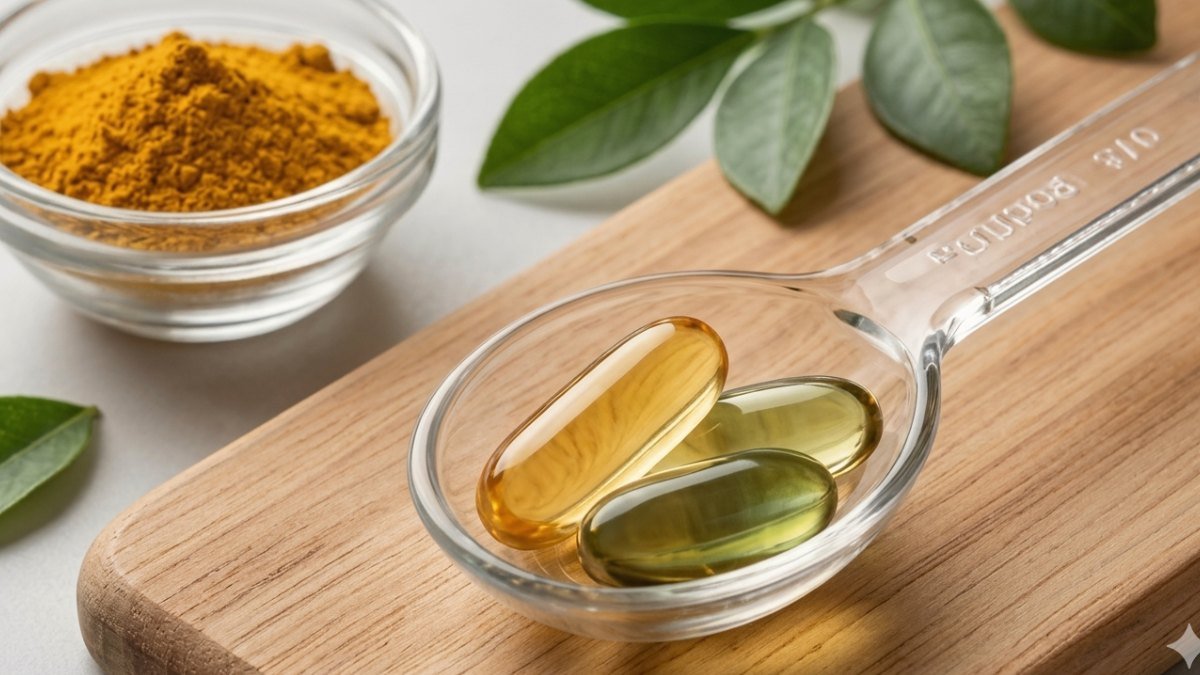
Omega-3 fatty acids (fish oil). This is the strongest performer. The EPA and DHA in marine oils are genuinely anti-inflammatory, and several studies show dogs with osteoarthritis move more comfortably on a well-dosed omega-3 regime. It is the one most vets reach for first.
Glucosamine and chondroitin. The most famous pairing, and the most debated. Evidence is mixed and effects are modest — but they are very safe, and many owners report improvement. A reasonable, low-risk thing to try.
Green-lipped mussel. A natural source of omega-3s and other compounds, with a growing body of supportive research. Often found in joint chews.
No supplement out-performs keeping your dog lean. That remains the most powerful joint intervention there is.
The ones with weaker evidence
Turmeric / curcumin. Promising in the lab, but dogs absorb it poorly and good canine trials are thin. Not harmful, rarely a hero.
MSM. Often bundled into joint blends; the standalone evidence is limited.
CBD. Early research is interesting, but quality and dosing vary wildly and regulation is patchy. Only ever use under veterinary guidance.
How to choose and introduce one
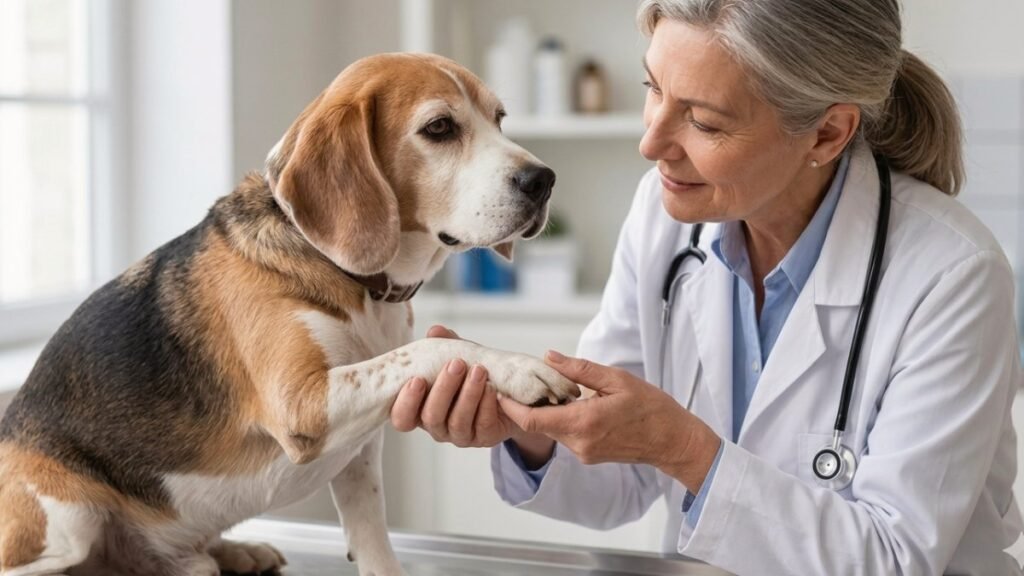
- Talk to your vet first — especially if your dog takes other medication
- Pick a product that states its actual EPA/DHA or active amounts, not just “joint blend”
- Introduce one supplement at a time so you can judge what works
- Give it 6–8 weeks — joint support is gradual, not overnight
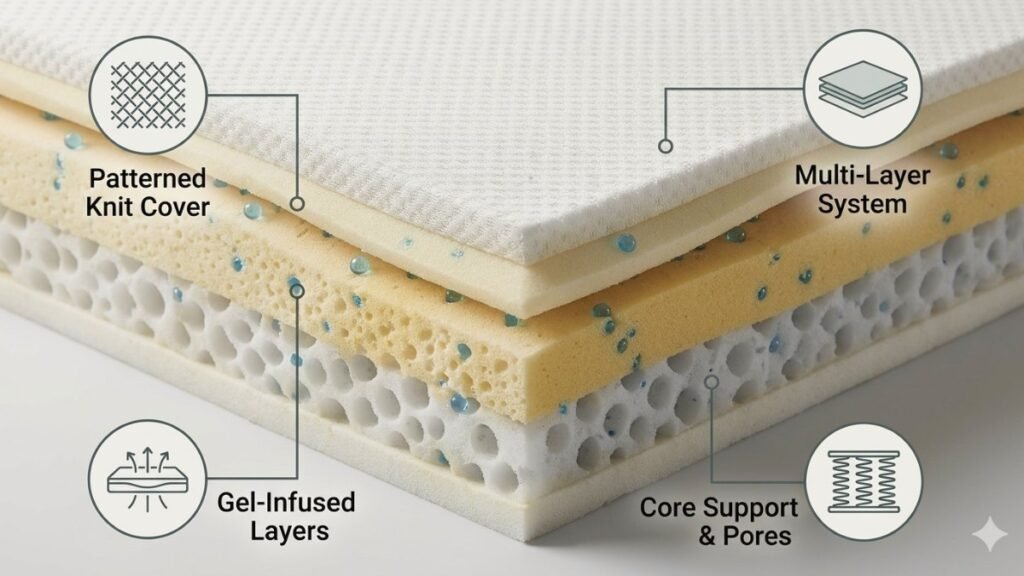
Think of supplements as one lever among several: alongside a healthy weight, sensible exercise, and a supportive bed, not instead of them.
This article is general information and not veterinary or medical advice. Always consult your vet before starting any supplement, particularly if your dog is on medication.
Key takeaways
- Omega-3 fish oil has the strongest evidence for canine joint health
- Glucosamine and chondroitin are low-risk but show modest, mixed results
- Green-lipped mussel is a promising natural source of omega-3s
- Supplements support — they do not replace — weight control and vet care
The Olloy bed, made for ageing joints.
Orthopedic 40D–50D core, a low step-in edge, and a washed cover that survives a humid Singapore year.
Shop the bed