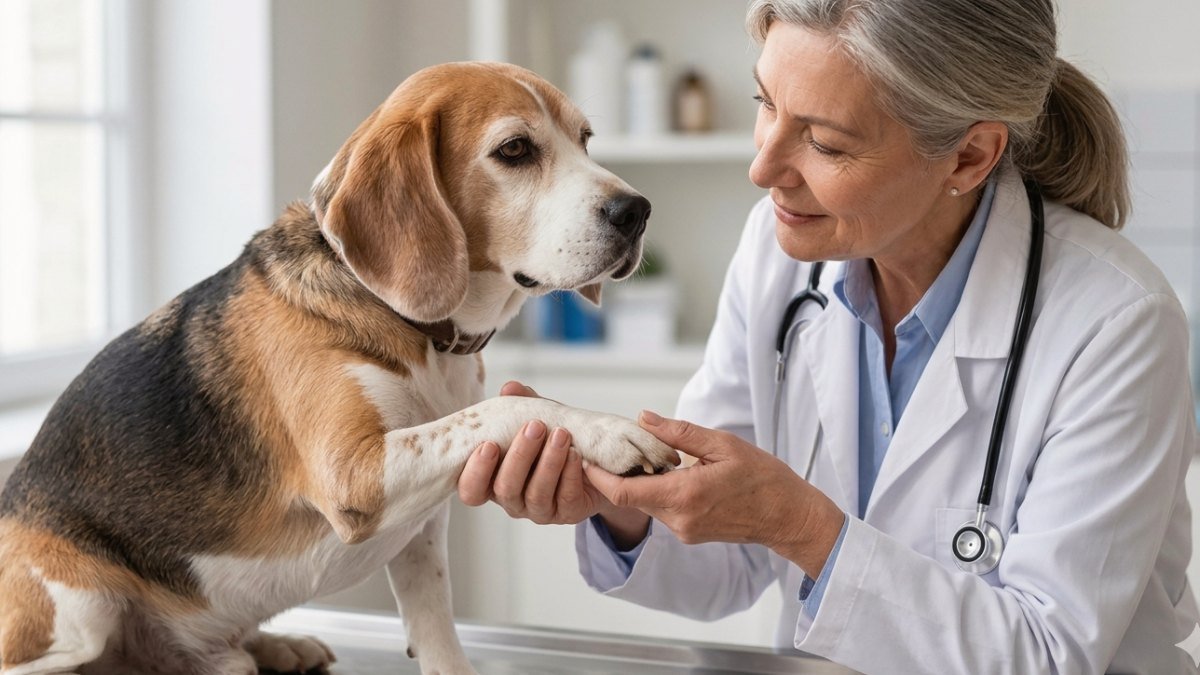
Your vet has perhaps fifteen minutes and a dog who is on best behaviour in a strange room. What you have noticed at home over weeks is often more valuable than anything that surfaces on the table. The trick is to arrive with specifics.
“He’s slowed down a bit” is the most common thing owners say — and the least useful. Here are five concrete things worth raising instead.
1. Changes in how they move
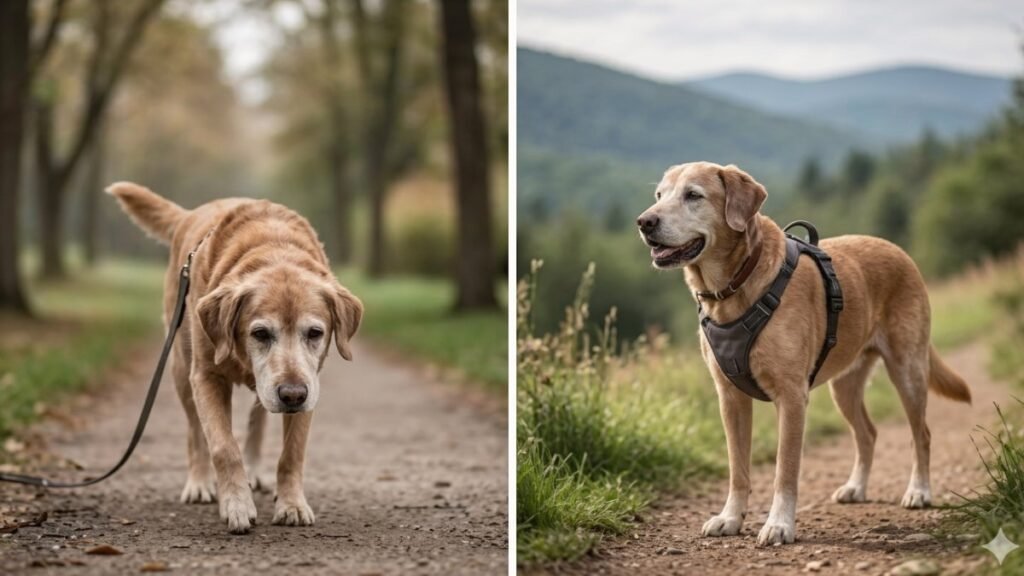
Be specific. Are they stiff only in the morning, or all day? Hesitating at stairs or the car? Favouring one leg? Mention when it started and whether it is getting worse. A ten-second phone video of the movement is worth a thousand words.
2. Changes in rest and sleep
More sleep is normal with age, but note restlessness, night-time pacing, trouble settling, or struggling to get comfortable. These can point to pain or cognitive change.
The most useful thing you can bring to a senior check-up is a short, specific list — not a general sense that something is off.
3. Appetite, thirst, and weight
Flag any change in how much they eat or drink, and whether they seem to be gaining or losing weight. Increased thirst especially is worth mentioning, as it can signal several treatable conditions.
4. Toileting changes
Accidents in a previously house-trained dog, straining, more frequent urination, or changes in stool all give your vet useful diagnostic threads to pull.
5. Behaviour and confusion
New anxiety, getting “stuck” in corners, staring at walls, not recognising familiar people, or disrupted day-night rhythm can all be early signs of canine cognitive dysfunction — which is far more manageable when caught early.
What to bring
- A written list of changes, with rough dates
- Short phone videos of any unusual movement or behaviour
- The name and dose of any food, supplement, or medication
- Questions you want answered, so you do not forget in the moment
Senior dogs benefit from check-ups every six months rather than yearly. A lot can change in a dog’s body in twelve months.
This article is general information and not a substitute for professional veterinary care.
Key takeaways
- “He’s slowed down” is too vague — specific observations help your vet most
- Track mobility, rest, appetite, toileting and behaviour before the visit
- Short phone videos of any odd movement are genuinely useful
- Senior dogs benefit from more frequent, more detailed check-ups
The Olloy bed, made for ageing joints.
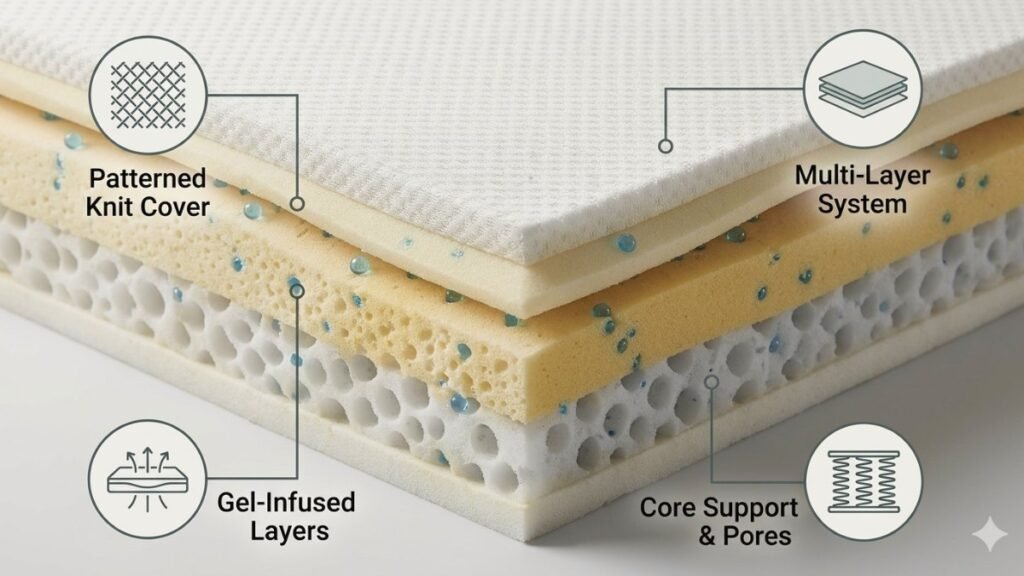
Orthopedic 40D–50D core, a low step-in edge, and a washed cover that survives a humid Singapore year.
Shop the bed